When to Visit Your Tucker Animal Hospital for Pet Illness


When to Visit Your Tucker Animal Hospital for Pet Illness
When your dog or cat starts acting out of the ordinary, it is natural to wonder if it is time to visit a Tucker animal hospital. At Heart & Soul Veterinary Care, located at 2332 Main Street, Tucker, GA 30084, we know that sudden pet illness can cause worry and uncertainty. October can bring unique challenges for pet owners in Tucker and surrounding communities, from seasonal allergies to sudden stomach upsets. This guide will help you recognize when your pet’s symptoms require prompt veterinary attention, offer tips for easing your pet’s discomfort at home, and explain how timely care at your trusted Tucker animal hospital can make all the difference for your pet’s health.
In the following sections, you will learn how to spot the warning signs of illness in dogs and cats, understand common causes of sickness during the fall season, and discover what to expect during a veterinary visit. We will also share practical steps you can take at home before your appointment and clarify when it is essential to reach out to our team of veterinarians. If you ever need a wellness examination or sick visit, our compassionate veterinary professionals are here to help.
Recognizing the Signs: When Is Your Pet Really Sick?
As a pet owner, you know your pet’s usual energy, appetite, and behavior. When something feels off, it is important to pay attention to the changes you notice. Key symptoms that may indicate illness in dogs and cats include sudden loss of appetite, vomiting, diarrhea, coughing, sneezing, or difficulty breathing. Other warning signs are lethargy, hiding, excessive thirst or urination, limping, or vocalizing in pain. In some cases, you may notice your pet’s gums looking pale or blue, or your pet may collapse.
Sometimes, the signs are more subtle. Cats especially tend to hide symptoms, so changes such as avoiding the litter box, excessive grooming, or sudden aggression can be clues that your cat is not feeling well. In dogs, reluctance to go for walks, restlessness at night, or unusual drooling may indicate discomfort. During October, seasonal triggers like mold spores, pollen, and sudden temperature changes can worsen allergies or respiratory issues, especially in pets with underlying conditions.
The earlier you recognize these signs and reach out to your Tucker animal hospital, the sooner your pet can get the help they need. While some symptoms may resolve on their own, others can quickly become serious or even life-threatening.
Understanding the Causes: Why Pets Get Sick in Fall
Fall in Tucker brings cooler weather and environmental changes that can affect your pet’s health. During this time, pets may be exposed to allergens like ragweed, leaf mold, and dust, leading to itchy skin, sneezing, or ear infections. Sudden weather shifts can also trigger flare-ups in pets with arthritis or chronic respiratory problems.
Gastrointestinal upsets are common in the fall, especially if pets get into Halloween treats, spoiled food in the yard, or seasonal plants. For example, chocolate, sugar-free gum, and raisins are all toxic to pets and are more likely to be found around the house during October. Additionally, mushrooms sprouting in damp grass can cause poisoning if ingested.
In some cases, infectious diseases such as kennel cough or upper respiratory infections circulate more as pets spend more time indoors at boarding facilities, grooming salons, or dog parks. Fleas and ticks may remain active in Georgia’s mild autumn temperatures, contributing to skin irritation and secondary infections.
Understanding these seasonal risks helps you protect your pet and recognize when a visit to your Tucker animal hospital is necessary. If your pet seems ill after a change in routine, exposure to new foods, or time spent outside, it is worth discussing these details with your veterinary team during your appointment.
What to Expect: Veterinary Treatment and Diagnostics for Sick Pets
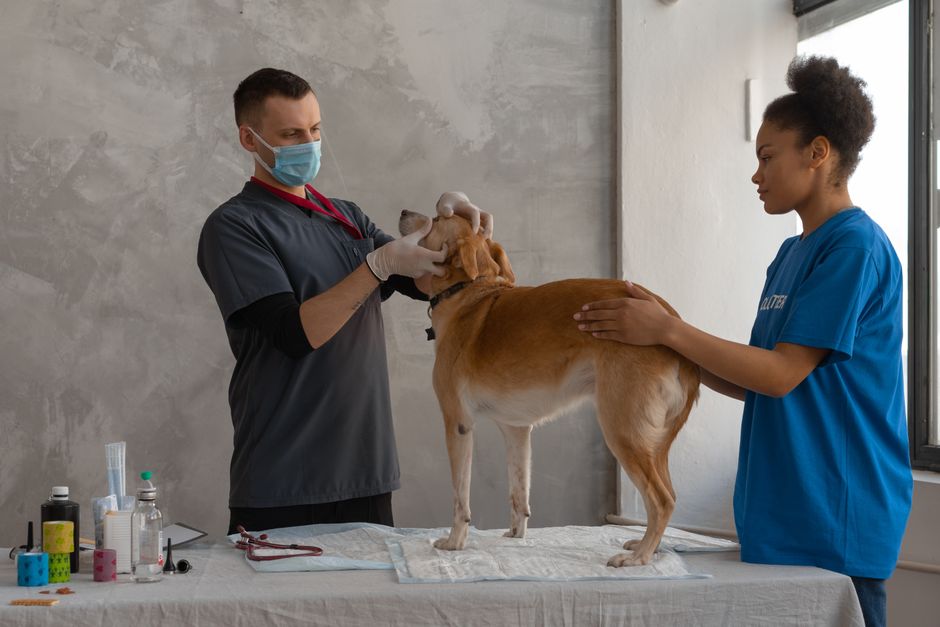
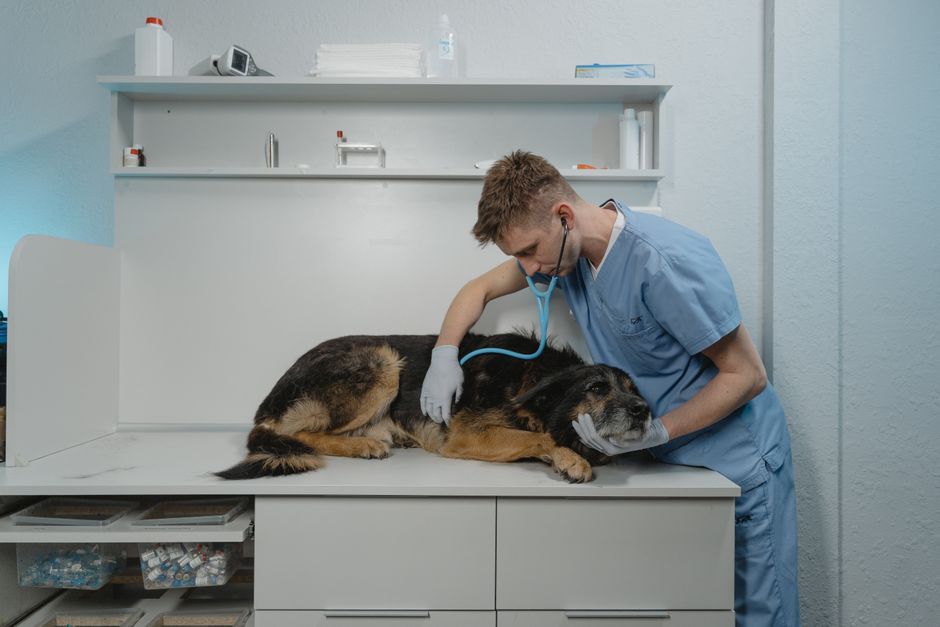
When you bring your pet to Heart & Soul Veterinary Care for illness, our team of veterinarians will start with a thorough discussion of your pet’s recent history and symptoms. A comprehensive physical examination is the foundation of our approach, allowing us to assess your pet’s overall health and pinpoint the source of their discomfort.
Depending on your pet’s signs, our diagnostic capabilities may include in-house laboratory testing to check for infections, organ function problems, or parasites. For example, if your dog is vomiting or your cat is lethargic, our diagnostic laboratory services can provide rapid results to guide treatment. Imaging tools like digital radiology or veterinary ultrasound may be used to evaluate for internal injuries, blockages, or hidden diseases.
Treatment options depend on the underlying cause but may involve medications for pain or infection, fluids for dehydration, or dietary changes for stomach upset. If a foreign object or toxin is suspected, our veterinary professionals may recommend hospitalization for monitoring and supportive care. We are committed to keeping you informed throughout the process, explaining each step and making sure you feel comfortable with your pet’s care plan.
Easing Your Pet’s Discomfort: At-Home Comfort Before Your Appointment
While some mild illnesses can be managed at home before your appointment, it is important to know when home care is appropriate. For minor stomach upset, you can offer your pet small amounts of water and withhold food for a few hours, then gradually reintroduce a bland diet if vomiting or diarrhea has stopped. Make sure your pet has a quiet, comfortable place to rest and monitor their symptoms closely.
For pets with mild respiratory symptoms such as sneezing or a runny nose, keeping them indoors and away from other animals can help prevent the spread of infection. Wipe away any discharge with a soft, damp cloth and keep your pet’s environment clean and free of dust or smoke.
If your pet is limping or showing signs of mild pain, encourage rest and avoid strenuous activity. Do not give over-the-counter human medications, as many are toxic to pets. If your pet’s symptoms do not improve within 24 hours, or if they worsen, it is time to schedule an appointment with your Tucker animal hospital.
Always err on the side of caution. If you are unsure whether your pet’s symptoms are mild or serious, our veterinary professionals are happy to advise you by phone or in person.
When to Schedule an Appointment at Your Tucker Animal Hospital
Knowing when to bring your pet in for professional care can make a significant difference in their recovery. Immediate veterinary attention is needed if your pet experiences difficulty breathing, persistent vomiting or diarrhea, seizures, collapse, or signs of severe pain. Other urgent symptoms include inability to urinate or defecate, exposure to toxins, or sudden swelling of the face or limbs.
For less urgent but concerning symptoms such as reduced appetite, lethargy, coughing, limping, or minor wounds, it is best to schedule an appointment within 24 to 48 hours. Our team at Heart & Soul Veterinary Care offers same-day sick appointments to ensure your pet receives prompt attention when they need it most.
Trust your instincts as a pet owner. If your pet simply does not seem like themselves and you are worried, reaching out to your Tucker animal hospital for guidance is always the right choice. Early intervention can prevent complications and help your pet get back to their happy, healthy self.
Preventing Pet Illness: Tips for a Healthy Fall Season
Prevention is always better than cure when it comes to your pet’s health. Keeping your pet up to date on vaccinations, parasite prevention, and regular wellness examinations is the foundation of a healthy life. Make sure your pet has access to clean water at all times and avoid feeding them table scraps or foods that could be harmful.
During fall, check your yard for mushrooms, moldy leaves, and other hazards. Store Halloween treats and decorations out of reach, and supervise pets around unfamiliar foods or visitors. For pets with known allergies or chronic health conditions, work with your veterinary team to adjust medications or routines as needed.
Pay attention to any changes in your pet’s behavior, appetite, or energy level. The sooner you notice and address these changes, the easier it will be to keep your pet healthy and comfortable throughout the season.
Your Tucker Animal Hospital Is Here for You and Your Pet
At Heart & Soul Veterinary Care, our mission is to provide compassionate, comprehensive care for dogs and cats in Tucker and surrounding communities. When your pet is sick, you deserve answers, reassurance, and a veterinary team you can trust. Our team of veterinarians is dedicated to supporting you through every stage of your pet’s illness, from the first warning signs to recovery.
If you are searching for a vet near me or wondering when to seek help, remember that timely care from your Tucker animal hospital can make all the difference. Do not hesitate to contact us for guidance or to schedule an appointment. We invite you to call us at (770) 634-8733 or visit our convenient location at 2332 Main Street, Tucker, GA 30084 whenever you have concerns about your pet’s health.
With preventive care, attentive home monitoring, and the support of your local Tucker animal hospital, you can help your pet enjoy a safe and healthy fall season. If your pet is suddenly ill or you have questions about their symptoms, our veterinary professionals are here to help every step of the way.