Keeping Senior Pets Healthy at a Tucker Animal Hospital


Keeping Senior Pets Healthy at a Tucker Animal Hospital
As our beloved dogs and cats grow older, their needs change—and so do the ways we care for them. If you share your home with a senior pet in Tucker or the surrounding communities, you know how important it is to help them stay active, comfortable, and happy throughout their golden years. At Heart & Soul Veterinary Care, a full-service Tucker animal hospital opening in summer 2025, our veterinary team is dedicated to making sure your older pet receives the compassionate, individualized attention they deserve. This guide will walk you through the most important steps for supporting your senior pet’s health, covering how regular wellness exams, pain management, and at-home care can make a real difference. Whether you are concerned about your dog’s comfort in the summer heat or your cat’s changing appetite, our team is here to help your furry family member thrive year-round.
Recognizing When Senior Pet Care Is Needed
Many pet owners find it challenging to determine when their dog or cat is officially considered a “senior.” While the aging process is gradual and every pet is unique, most cats and small dogs are considered seniors around 7 to 10 years old, while larger dogs may become seniors as early as 6 years old. Signs that your pet may need extra attention include changes in energy levels, reluctance to exercise, increased sleeping, stiffness when rising, or difficulty climbing stairs. Other warning signs include changes in appetite, weight loss or gain, dental issues like bad breath or trouble chewing, more frequent urination, and signs of confusion or anxiety. If you notice your pet struggling with tasks that were once routine, such as jumping up onto furniture or making it through the night without an accident, these can be early signals that age-related health changes are occurring.
Understanding these subtle shifts is the first step in proactive senior pet care. Even if your dog or cat seems healthy, regular veterinary checkups become more important than ever as they age. Preventive care allows your veterinarian to catch issues early and tailor care to your pet’s changing needs.
Why Senior Pets Require Special Attention
Aging brings about a number of natural changes in dogs and cats. As your pet’s metabolism slows, organ function may decline, and the risk for chronic conditions such as arthritis, kidney disease, diabetes, heart disease, and dental disease increases. Senior pets also tend to have reduced immune function, making them more susceptible to infections and illnesses.
Environmental factors, such as Tucker’s hot summers, can also pose extra challenges for older pets. Heat intolerance, dehydration, and difficulty regulating body temperature are more common in seniors, especially those with underlying health conditions. Additionally, senior pets may experience changes in vision, hearing, and cognitive function, leading to disorientation or anxiety.
The goal of senior pet care is to not only address these age-related changes but also to maintain the best possible quality of life. By understanding the unique needs of older pets, you can help them remain comfortable, active, and engaged in family life.
How a Tucker Animal Hospital Supports Senior Pet Health
Comprehensive Senior Wellness Examinations
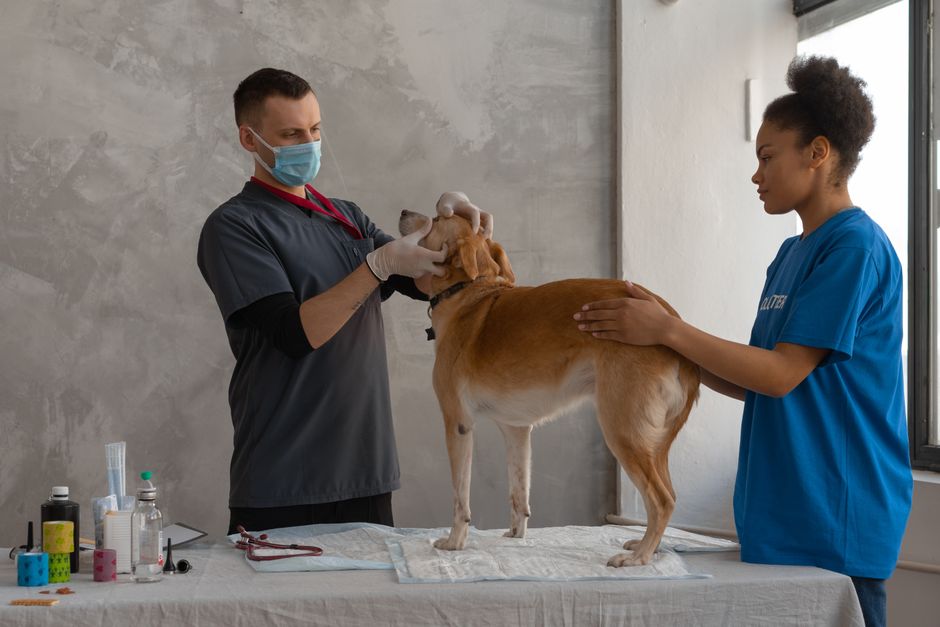
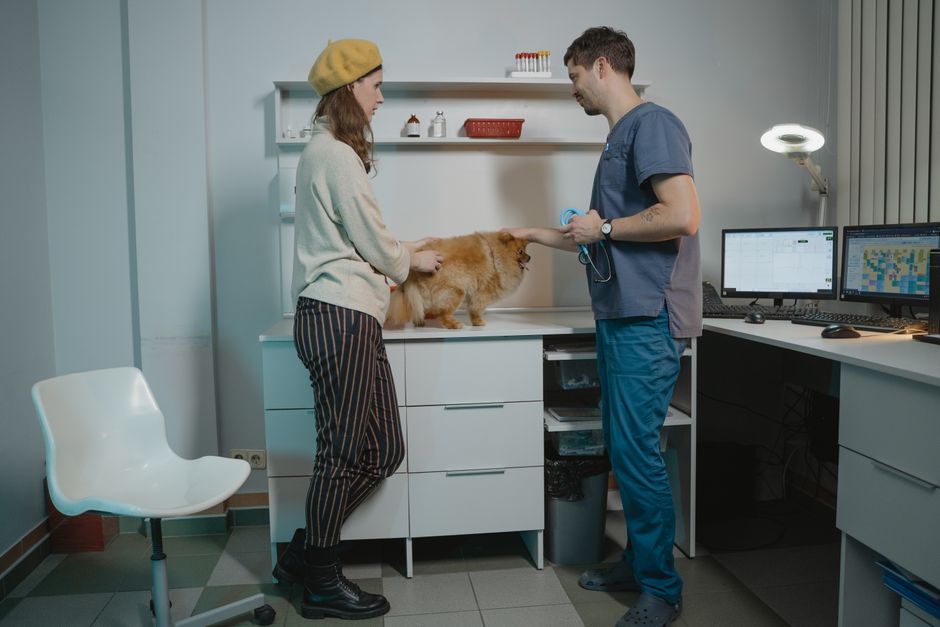
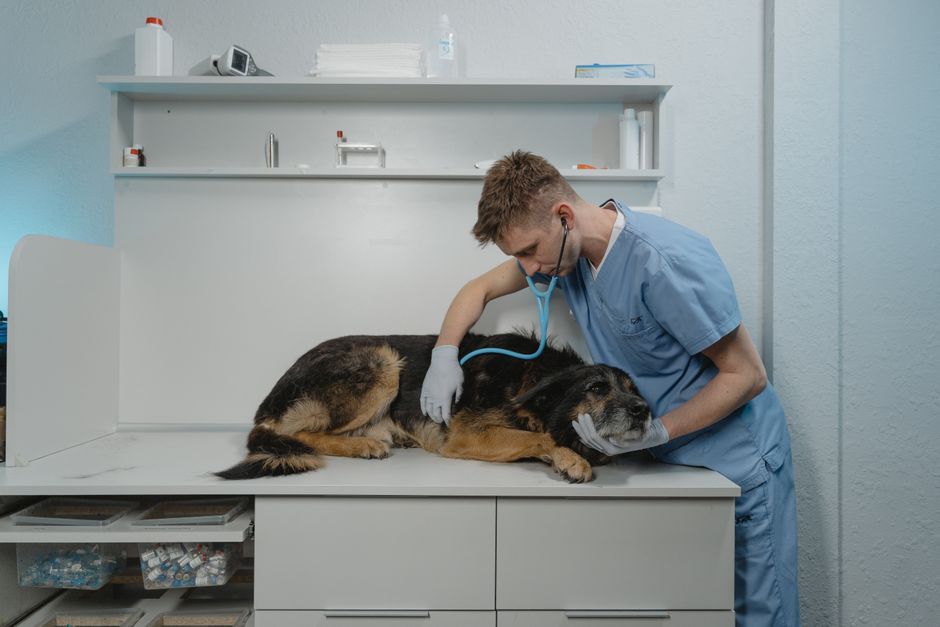
Routine wellness examinations are the foundation of senior pet care. During these visits at a Tucker animal hospital like Heart & Soul Veterinary Care, our veterinarians perform thorough physical exams and discuss any changes you have observed at home. We may recommend bloodwork, urine testing, and diagnostic imaging, which help detect underlying health conditions before they progress. These assessments can reveal issues such as kidney dysfunction, liver changes, thyroid imbalances, or early signs of cancer—often before symptoms become obvious at home.
If you are interested in learning more about what a comprehensive exam involves, visit our page on wellness examination services for pets.
Pain Management and Mobility Support
One of the most common challenges for senior pets is mobility issues due to arthritis or other age-related joint problems. Our veterinary team works closely with pet owners to create pain management plans tailored to each animal. Treatment approaches involve prescription medications, joint supplements, therapeutic diets, and lifestyle adjustments. In some cases, physical therapy or specialized exercise routines may be helpful. Our team also provides guidance on adapting your home environment—such as using ramps, orthopedic beds, or non-slip mats—to help your pet move safely and comfortably.
Dental Care for Aging Pets
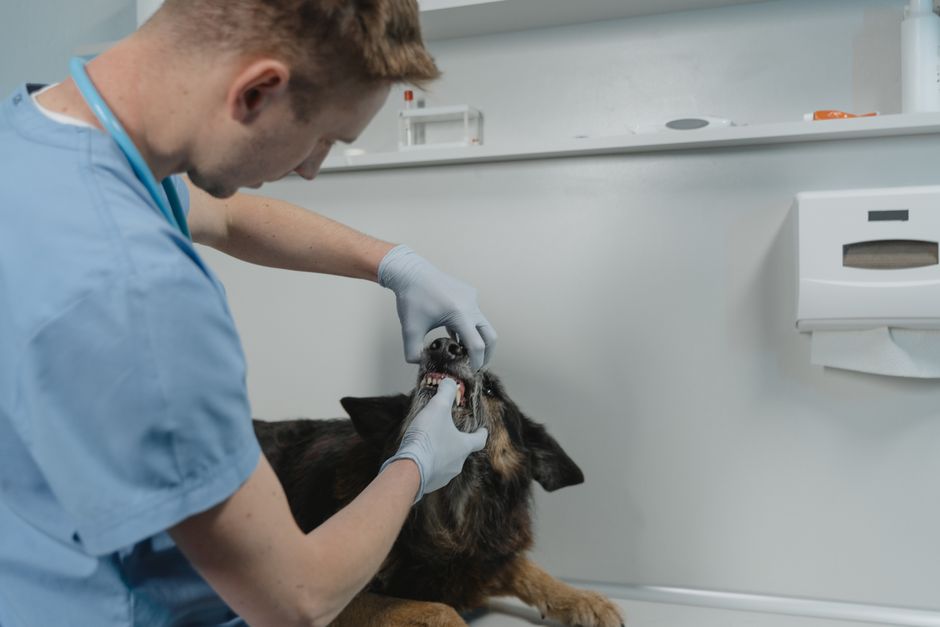
Dental disease is a significant concern for senior dogs and cats. Untreated dental problems can lead to pain, infection, and even impact heart and kidney health. Regular dental evaluations, professional cleanings, and at-home care are key to preventing complications. If dental disease is detected, our veterinarians may recommend a dental cleaning and oral health care appointment or, in more advanced cases, pet tooth extraction services to restore comfort and health.
Diagnostic Tools and Monitoring
Senior pet care often involves a greater reliance on advanced diagnostics. Our in-house diagnostic laboratory services for pets allow us to quickly assess organ function, screen for infections, and monitor chronic conditions. Digital radiology and ultrasound are available for imaging internal organs and assessing joint or heart health, providing a comprehensive picture of your pet’s overall wellbeing.
Managing Chronic Conditions
For pets living with chronic illnesses such as diabetes, thyroid disorders, or kidney disease, ongoing monitoring and individualized treatment plans are essential. Our veterinarians work collaboratively with you to manage medications, adjust diets, and schedule follow-up visits, ensuring your pet receives the highest level of care as their needs evolve.
At-Home Tips to Support Your Senior Pet
Caring for a senior pet goes beyond veterinary visits. At home, there are many practical steps you can take to help your dog or cat maintain comfort and vitality. Ensuring access to fresh water and a balanced diet is crucial, and your veterinarian can recommend senior-specific foods that address your pet’s changing nutritional needs. Maintaining a healthy weight is especially important for older pets, as excess pounds can worsen joint pain and other health issues.
Encourage gentle daily exercise, such as short walks for dogs or interactive play sessions for cats, to preserve muscle tone and mental engagement. Watch for signs of fatigue or discomfort, and adjust activity levels as needed. Creating a safe environment by minimizing slippery floors, providing easy access to favorite resting spots, and keeping litter boxes or potty areas within easy reach can greatly improve your pet’s quality of life.
Grooming remains important for aging pets, as changes in skin and coat condition are common. Regular brushing helps distribute natural oils and allows you to check for new lumps, bumps, or skin changes that should be brought to your veterinarian’s attention.
Finally, senior pets benefit from a predictable routine and plenty of affection. Spend quality time together, and be patient as your pet adjusts to new limitations. Simple modifications—such as adding extra bedding in warm months or providing a shady spot outside—can make a significant difference during Tucker’s hot summers.
When to Seek Veterinary Care for Your Senior Pet
Knowing when to contact your veterinarian is essential for senior pet owners. Urgent signs that warrant prompt attention include sudden weakness or collapse, difficulty breathing, persistent vomiting or diarrhea, refusal to eat or drink for more than a day, or signs of significant pain. Additionally, if you notice rapid changes in weight, increased thirst or urination, or behavioral shifts such as confusion or aggression, schedule an appointment with your veterinarian as soon as possible.
For less urgent concerns, such as mild stiffness, gradual appetite changes, or minor lumps and bumps, keep a journal of your observations and bring them up during your pet’s next wellness exam. Early intervention often leads to better outcomes and can help your pet remain comfortable and happy for years to come.
If your senior pet suddenly seems unwell and you need urgent attention, Heart & Soul Veterinary Care offers same-day and sick appointments during our regular business hours. Learn more about our same day and urgent care veterinary appointments to ensure your pet receives timely support.
Helping Your Senior Pet Thrive Year-Round
At Heart & Soul Veterinary Care, our mission is to empower pet owners in Tucker and the surrounding communities to provide the very best care for their aging companions. By staying proactive with wellness exams, prioritizing dental and pain management, and making small changes at home, you can help your senior dog or cat enjoy a comfortable, joyful life—no matter the season.
If you have questions or concerns about your older pet, or if you’re searching for a “vet near me” who truly understands the needs of senior animals, our veterinary team is ready to support you every step of the way. To schedule a comprehensive exam or discuss your pet’s unique needs, call (770) 634-8733 or visit us at 2332 Main Street, Tucker, GA 30084. Trust our Tucker animal hospital to help your furry family member age with comfort, dignity, and love.
This blog is intended for informational purposes only and should not replace professional veterinary care. Always consult your veterinarian for personalized advice regarding your pet’s health.