How an Animal Hospital Handles Heat Risks for Pets


How an Animal Hospital Handles Heat Risks for Pets
As summer temperatures soar in Tucker, GA, many pet owners worry about how to keep their dogs and cats safe from the potentially dangerous effects of extreme heat and humidity. At Heart & Soul Veterinary Care, our team understands just how serious heat-related illnesses can be, especially during the sweltering August days typical in our region. From our full-service animal hospital at 2332 Main Street, Tucker, GA 30084, we regularly help families recognize, prevent, and treat conditions like heatstroke and dehydration in pets. In this blog, we'll explore how an animal hospital addresses heat risks, outline the signs of overheating in dogs and cats, and share the practical steps you can take to protect your pets during the hottest months. We'll also discuss what to do if your pet shows symptoms of heat stress, and how our veterinary team is equipped to respond to these emergencies. If you've ever searched for information on animal hospital heat protocols or want to know what to expect from your veterinarian during a heat-related emergency, you're in the right place.
Recognizing Heat Risks: Signs Your Pet May Be Overheating
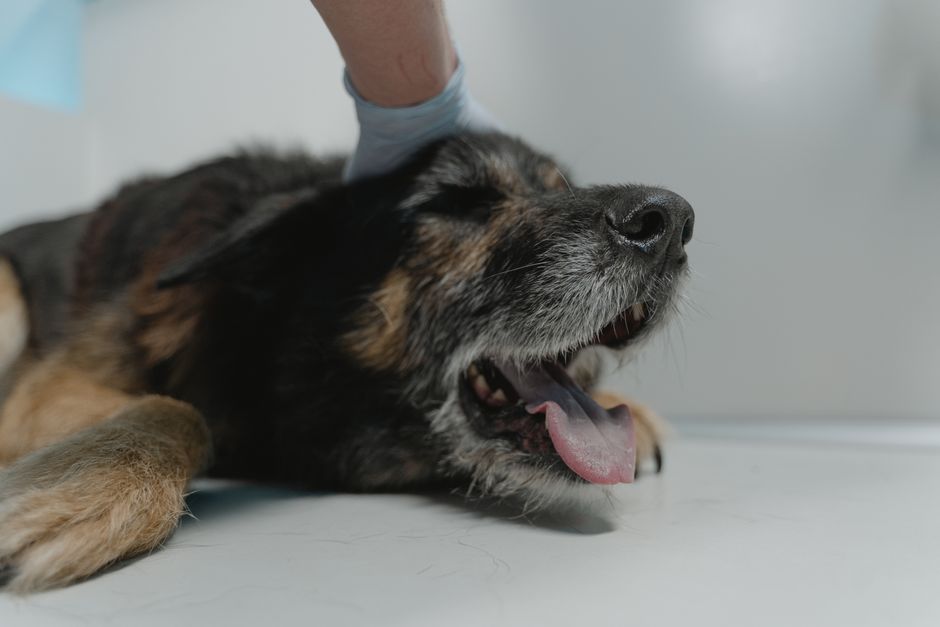
Understanding the warning signs of heat-related illness is the first step to keeping your pet safe. Dogs and cats are much more sensitive to high temperatures than many people realize, and certain breeds—especially those with thick coats, short noses, or underlying health issues—are at higher risk. Key symptoms that indicate your pet may be struggling with the heat include excessive panting, drooling, rapid heart rate, and weakness. You might also notice that your pet is seeking out cool surfaces, acting restless, or becoming lethargic. In more severe cases, signs such as vomiting, diarrhea, uncoordinated movements, or even collapse can develop quickly. If you observe any of these changes in your pet's behavior during hot weather, it is crucial to take action promptly. Remember, dogs and cats do not sweat like humans; they rely primarily on panting and limited sweat glands in their paws to regulate body temperature, making them vulnerable in humid climates.
Why Pets Are Vulnerable: The Science Behind Animal Hospital Heat Concerns
Many pet owners are surprised to learn just how rapidly heat can affect dogs and cats. The combination of high temperatures and Georgia’s signature humidity can overwhelm your pet’s ability to cool down, even if they are only outside for a short period. The risk is especially high in pets with underlying heart or respiratory conditions, overweight animals, elderly dogs and cats, and flat-faced breeds such as Bulldogs, Pugs, and Persians. Additional risk factors include being left in a parked car, exercising during peak heat hours, or not having access to shade and fresh water. Our animal hospital heat protocols are designed with these risks in mind; for example, we encourage pet owners to limit walks to early morning or late evening and to pay close attention to indoor environments as well, since garages and sunrooms can trap heat and become dangerous. Recognizing these environmental and physiological challenges is central to effective prevention and rapid intervention.
How Our Animal Hospital Manages Heat-Related Emergencies
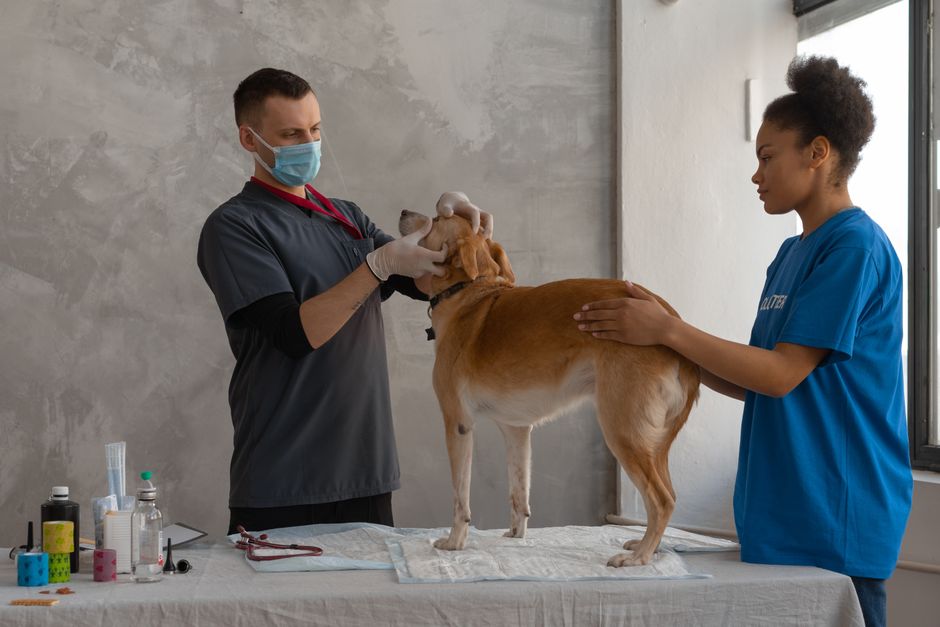
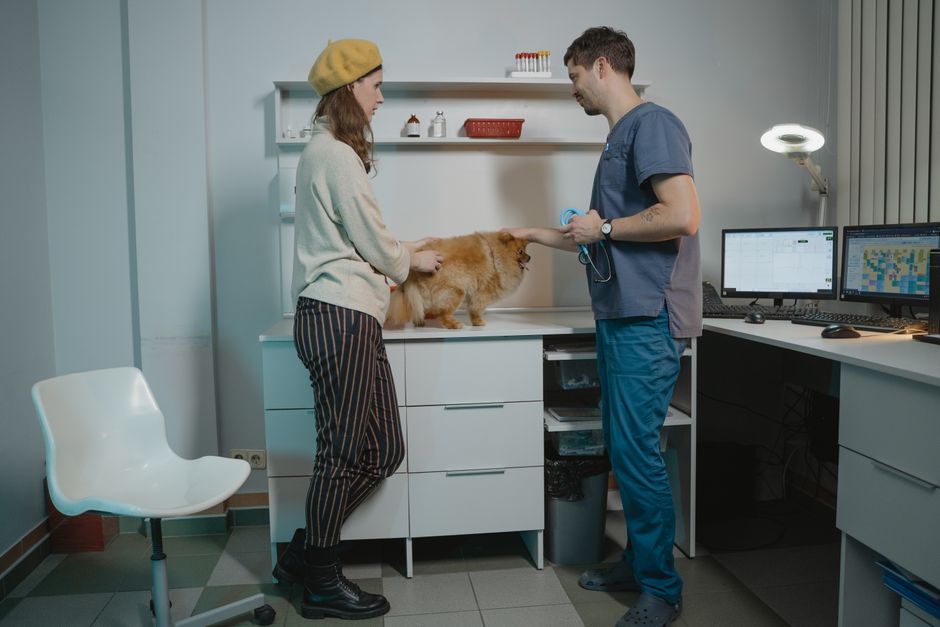
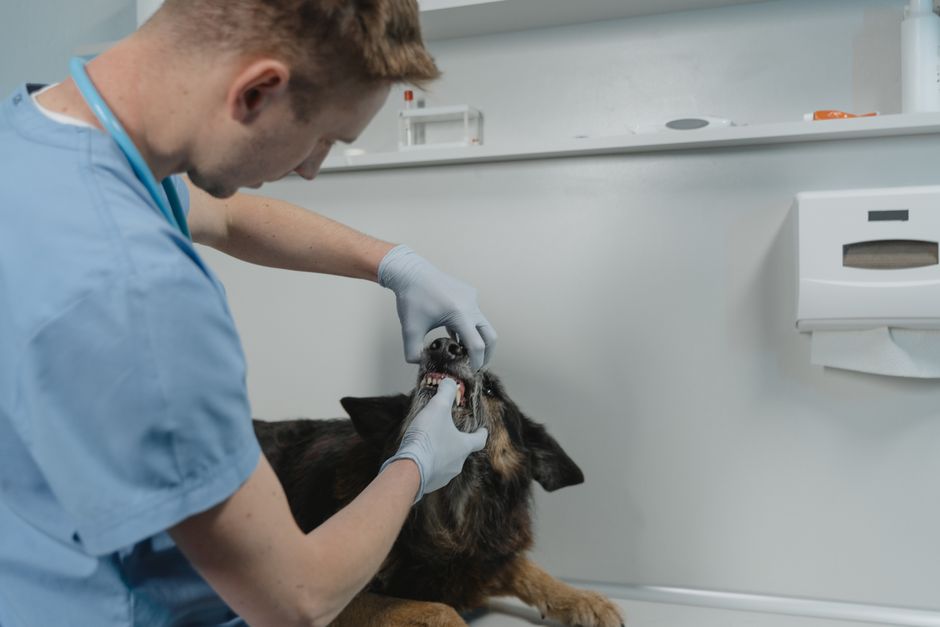
When a pet arrives at Heart & Soul Veterinary Care with signs of heatstroke or dehydration, our veterinary team moves quickly to stabilize the situation. Immediate steps often involve moving the pet to a cool, air-conditioned area, starting intravenous fluids to combat dehydration, and carefully monitoring body temperature. Our veterinarians may use diagnostic tools like blood tests or digital radiology to assess organ function and check for complications. In some cases, oxygen therapy or medications may be necessary to address shock, seizures, or other serious symptoms. Throughout the process, we monitor vital signs continuously and provide supportive care tailored to your pet’s specific needs. If you are worried about your pet’s exposure to heat, a wellness examination can help identify risk factors before an emergency occurs. Our practice is equipped to handle both urgent and preventive needs, ensuring your pet receives comprehensive care every step of the way.
What to Expect During a Heat Emergency Visit
If your pet is brought to our animal hospital for heat-related illness, you can expect a thorough and compassionate approach. Our veterinary professionals will assess your pet’s condition, ask about recent activity and exposure, and explain each step of the stabilization process. Treatments may include fluid therapy, cooling techniques, and laboratory diagnostics to evaluate possible organ involvement. We also provide guidance for ongoing care at home once your pet has been stabilized. Our goal is to restore your pet’s comfort and prevent potential long-term effects of heat stress, which can sometimes include kidney damage or blood clotting issues.
Preventing Heatstroke: Home Care Tips for Pet Owners in Tucker, GA
Prevention is always better than treatment when it comes to heat-related risks. There are several practical steps you can take to protect your pet during Georgia’s hot, humid months. Always provide fresh, cool water and shaded areas for your pet, both indoors and outside. Limit outdoor activity to cooler parts of the day, such as early mornings or late evenings. Never leave your dog or cat in a parked car, even for a brief errand; temperatures inside vehicles can become deadly within minutes. Consider using cooling mats or fans in areas where your pet spends time, and be mindful of hot pavement, which can burn sensitive paw pads. For pets with pre-existing health concerns or those on certain medications, consult your veterinarian to determine if additional precautions are necessary. Routine wellness examinations can help ensure your pet is healthy enough to handle summer weather and provide an opportunity to discuss customized prevention strategies with our veterinary team.
When to Seek Veterinary Care for Heat Exposure
Knowing when to contact your veterinarian is vital. If your pet is panting heavily, drooling excessively, vomiting, or appears weak or confused after heat exposure, do not wait to see if symptoms improve. Immediate veterinary attention is required if your pet collapses, has seizures, or shows signs of difficulty breathing. Even if symptoms seem mild, a quick call to our team at (770) 634-8733 can provide peace of mind and help determine the best next steps. For non-emergency questions or to discuss your pet’s risk factors, our team is happy to schedule a comprehensive wellness examination or provide advice tailored to your pet’s unique needs. Remember, early intervention is key to preventing serious complications from heatstroke or dehydration.
Animal Hospital Heat Prevention: Our Commitment to Your Pet’s Safety
At Heart & Soul Veterinary Care, keeping your pet safe in the heat is one of our top priorities. Our animal hospital heat protocols are designed to address the unique risks faced by dogs and cats in Tucker, GA and surrounding communities. Whether you need urgent care, preventive advice, or a detailed health check before summer travel, our dedicated veterinary team is here to support you and your pet every step of the way. If you are searching for a dependable veterinarian near me, know that our experienced professionals are ready to help with everything from preventive care to urgent treatment. Schedule an appointment or call our friendly team at (770) 634-8733 for guidance on protecting your pet from heat-related risks. For directions or to plan your visit, find us at 2332 Main Street, Tucker, GA 30084. Your pet’s comfort and health are always at the heart of what we do.
This article is intended for educational purposes only and should not replace professional veterinary advice. If your pet is experiencing symptoms of heatstroke or other heat-related illness, contact your veterinarian immediately.