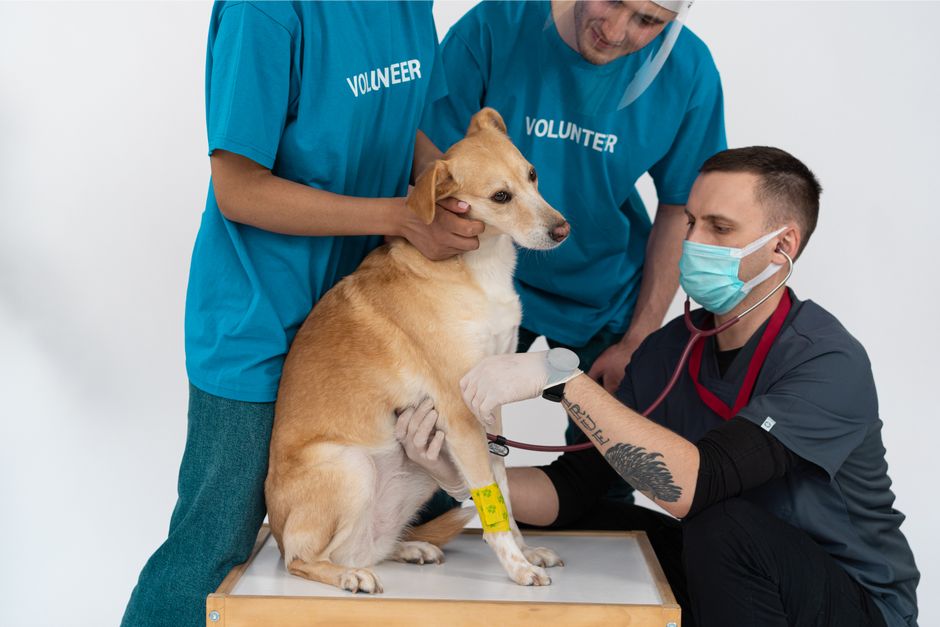
Cold Weather Pet Care Tips From Your Tucker Animal Hospital


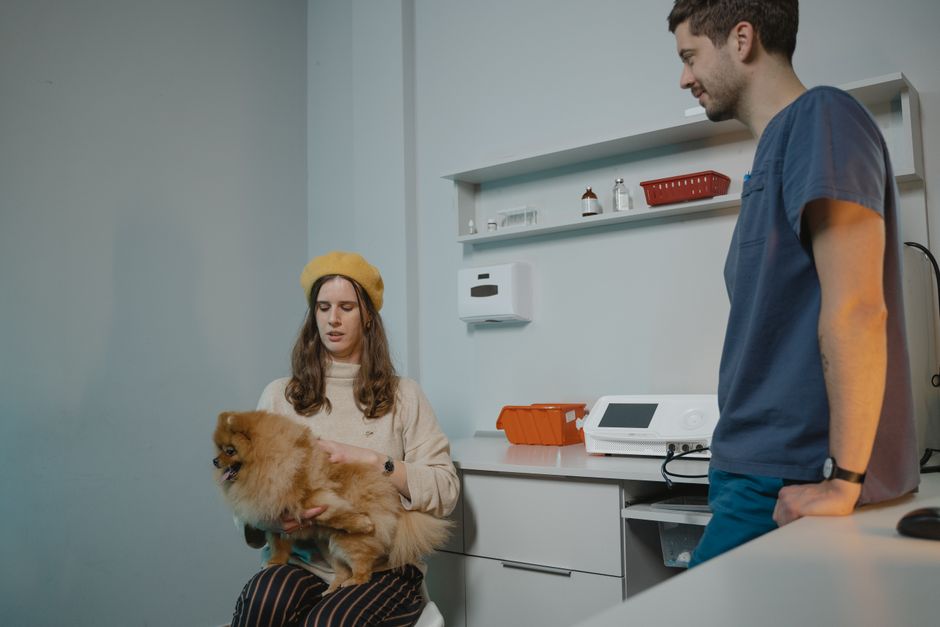
Cold Weather Pet Care Tips From Your Tucker Animal Hospital
As the temperatures start to dip in Tucker and the days grow shorter, many pet owners find themselves wondering how to best protect their dogs and cats from the challenges of colder weather. At Heart & Soul Veterinary Care, your trusted Tucker animal hospital, we know that winter brings a unique set of concerns for your furry companions. From chilly morning walks to holiday hazards and dry, itchy skin, the season can introduce risks that catch even the most attentive owners by surprise. This comprehensive guide shares timely advice from our veterinary team to help you keep your pets healthy, comfortable, and safe all season long. We will explore how to recognize signs of cold-related distress, what causes winter pet health issues, practical home care strategies, and when to schedule a visit for professional support. If you are researching the best ways to care for your dog or cat this November, our Tucker animal hospital has you covered with local expertise and compassionate care.
How Cold Weather Affects Dogs and Cats
Most dogs and cats feel the change in weather just as much as their owners do. Although some breeds are equipped for chilly conditions, others are more sensitive to the cold, especially smaller dogs, short-haired breeds, senior pets, and those with chronic health issues. The shift in temperature can lead to a variety of problems if pets are not adequately protected. Pet owners may notice their dog shivering after a short time outdoors or their cat seeking out warm hiding spots around the house. Additionally, joint stiffness, dry skin, and changes in behavior are common when pets are exposed to colder conditions. Understanding how your pet reacts to the season is the first step in preventing discomfort and health issues.
Recognizing Signs of Cold-Related Distress
It is important to know when your pet might be getting too cold. Common signs include shivering, whining or vocalizing, slowing down on walks, holding up paws, or seeking shelter as soon as possible. Cats may curl up tightly or hide in warm, out-of-the-way spaces. More serious symptoms, such as persistent lethargy, weakness, or pale gums, could indicate hypothermia and require immediate veterinary attention. For those with older pets or animals managing chronic conditions like arthritis, winter can worsen joint stiffness and discomfort, making it crucial to monitor mobility and activity levels closely.
Why Pets Struggle With Cold Weather: Causes and Contributing Factors
Many pet owners are surprised to learn that dogs and cats can suffer from cold stress and even frostbite. Unlike people, pets do not always have adequate protection against harsh weather. Short-haired breeds, puppies, kittens, and geriatric animals are especially vulnerable because they have less natural insulation. Certain medical conditions, such as hypothyroidism and heart disease, can also make it harder for pets to regulate their body temperature. Even healthy adult animals can experience discomfort if left outside too long or if their bedding becomes damp and chilly.
Dry winter air often leads to itchy, flaky skin, while salt and ice-melting chemicals used on sidewalks can irritate sensitive paws. Increased time spent indoors may expose pets to other seasonal hazards, such as space heaters, fireplaces, or toxic holiday plants. With so many potential risks, it is no wonder pet owners in Tucker look to their local animal hospital for guidance on keeping their companions safe during winter.
Winter Pet Care: How Your Tucker Animal Hospital Can Help
Our veterinary team at Heart & Soul Veterinary Care provides a range of services designed to address the unique needs of pets during colder months. For many pets, a wellness examination before or during winter can be especially valuable. During these visits, we check for early signs of arthritis, skin issues, and other health conditions that might worsen with the cold. Our veterinarians may recommend diagnostic tests, such as bloodwork or heartworm testing, to ensure your pet is healthy enough for seasonal changes and to tailor preventive care accordingly.
If your pet develops symptoms like persistent coughing, sudden lameness, or significant behavioral changes during winter, our same-day and sick appointments allow us to address urgent concerns quickly. We also offer advice on safe winter grooming routines, recommendations for joint supplements, and strategies for managing chronic conditions made worse by chilly weather.
Managing Chronic Conditions and Senior Pets
Older pets and those with chronic medical issues often require modified care plans during winter. Our veterinary team can help you create a management strategy that may involve adjusting medications, recommending therapeutic diets, or providing guidance on home modifications to make movement easier. For example, orthopedic beds, ramps, and keeping living areas warm can make a significant difference in your pet’s comfort.
Home Care Strategies for Winter Wellness
Keeping your dog or cat comfortable during the colder months starts at home. If your pet spends time outdoors, limit exposure during especially cold or damp days. Always provide access to dry, warm shelter and fresh, unfrozen water. Many dogs benefit from wearing a fitted sweater or coat on chilly walks, while cats should be encouraged to stay indoors as much as possible.
Monitoring your pet’s skin and paws is important during winter. Dry, cracked paw pads are common, especially if your dog walks on salted sidewalks or rough surfaces. Gently wiping paws after walks, applying pet-safe moisturizers, and trimming fur between toes can prevent irritation and injury. Regular grooming helps maintain a healthy coat, which provides natural insulation, but avoid shaving your pet’s fur too short during cold months.
Maintaining a consistent exercise routine is key, even when the weather does not cooperate. Shorter, more frequent walks for dogs or interactive indoor play sessions help burn off energy and keep muscles strong. For cats, providing climbing trees, scratching posts, and food puzzles can help prevent boredom and weight gain during the winter season.
Diet, Hydration, and Indoor Safety
Some pets may need slight adjustments in their diet to maintain a healthy weight as their activity level changes. Our veterinarians can recommend nutritional options that support your pet’s metabolism and joint health during winter. Always ensure your pet has access to clean water, and check bowls frequently for ice if kept outside. With more time spent indoors, be mindful of space heaters, candles, and toxic plants like poinsettias or lilies; these can pose risks to curious dogs and cats.
When to Visit Your Tucker Animal Hospital for Winter Pet Issues
Knowing when to seek professional veterinary care can make all the difference for your pet’s comfort and safety. If you notice signs such as persistent shivering, difficulty breathing, sudden limping, refusal to eat, or any signs of pain or distress, do not wait to reach out. Hypothermia and frostbite are medical emergencies, and quick action is critical. Similarly, if your pet is struggling with worsening arthritis, skin infections, or ongoing digestive issues that seem to appear or worsen with colder weather, our team is here to help.
Our veterinarians can provide thorough evaluations, recommend appropriate diagnostics, and develop individualized treatment plans. Same-day appointments are available for urgent concerns, ensuring your pet receives prompt attention when it matters most. For routine care, scheduling a wellness examination before winter sets in can help detect underlying problems early and keep your pet feeling their best.
Frequently Asked Cold Weather Pet Care Questions
Is it ever safe to leave my dog outside during winter?
While some breeds tolerate cold better than others, no pet should be left outside for extended periods in cold, damp, or windy weather. Even thick-coated dogs can suffer from hypothermia or frostbite if exposed too long. Always supervise outdoor time, provide adequate shelter, and bring pets indoors at the first sign of discomfort.
How can I tell if my cat is too cold indoors?
Cats often seek warmth near vents, under blankets, or on sunny window sills. If your cat is shivering, moving stiffly, or hiding in unusual places, it may be too cold for comfort. Ensure your home stays at a safe, consistent temperature, and provide soft bedding in draft-free areas.
Are there special considerations for puppies and kittens?
Young animals are more vulnerable to the cold due to their small size and lack of fat reserves. Keep them indoors as much as possible, provide cozy bedding, and monitor closely for any signs of distress. If you have questions about vaccinations or health checks for your new puppy or kitten, our team is happy to help with tailored advice.
Keeping Your Pet Healthy All Winter: Local Expertise From Your Tucker Animal Hospital
Winter in Tucker does not have to be a challenge for your dog or cat when you have the right support and information. By recognizing early signs of cold-related stress, making simple changes at home, and partnering with a trusted veterinary team, you can help your companion thrive even as the temperature drops. If you have any concerns about your pet’s health or want to schedule a checkup before the coldest months arrive, our team at Heart & Soul Veterinary Care is here to provide expert guidance and comprehensive care.
For more information on preventive exams, visit our page on wellness examinations, or if your pet needs immediate attention, our same-day and sick appointments are available to address urgent health concerns quickly. When searching for a veterinarian near me, remember that our compassionate team is dedicated to serving Tucker and surrounding communities with the highest standard of care.
To schedule an appointment or discuss your pet’s winter health needs, call us at (770) 634-8733 or stop by 2332 Main Street, Tucker, GA 30084. Together, we will help your pet stay warm, healthy, and happy throughout the season.