Recognizing Common Winter Illnesses in Tucker Pets



Recognizing Common Winter Illnesses in Tucker Pets
As the cool, damp winter months settle into Georgia, many pet owners in Tucker start to notice their companions acting a little different. Perhaps your dog has developed a persistent cough after a chilly walk, or your cat is sneezing more than usual while nestled indoors. While some changes are harmless, winter can bring its own set of health challenges for pets. At Heart & Soul Veterinary Care, located at 2332 Main Street, Tucker, GA 30084, our veterinary team is dedicated to helping you keep your furry friends healthy and comfortable year-round.
This guide will help you recognize the most common pet winter illnesses in Tucker, understand what symptoms of sick pets to watch for, and know when it’s time to schedule an appointment with our veterinarians. We’ll discuss practical steps you can take at home to reduce risk, explain how winter conditions affect local pets, and show how our urgent care and same day sick appointments for pets can provide peace of mind when unexpected symptoms arise. Whether you're looking for a "vet near me" for winter check-ups or need immediate help for a sick pet, our clinic is here to serve Tucker and surrounding communities throughout the season.
Spotting Pet Winter Illnesses: Symptoms Tucker Pet Owners Should Recognize
When it comes to pet winter illnesses in Tucker, early detection is key. Many cold-weather ailments begin with subtle changes that are easy to miss in the hustle of daily life. Dogs and cats may not be able to tell you when they feel unwell, so it’s important to observe their behavior closely—especially during the colder, wetter months when certain health issues become more common.
Key symptoms of sick pets in winter often include coughing, sneezing, nasal discharge, or watery eyes; these can be signs of upper respiratory infections, which tend to circulate more frequently in the cooler, damp air of Georgia winters. You might also notice lethargy, loss of appetite, or a sudden disinterest in play and walks. Cats sometimes hide when they are unwell, while dogs may seem unusually clingy or withdrawn. Vomiting, diarrhea, or changes in bathroom habits can suggest gastrointestinal distress, which sometimes worsens with changes in routine or diet around the holidays.
Additionally, winter can aggravate underlying joint issues or arthritis in older pets, leading to stiffness, limping, or reluctance to move after resting. Watch for excessive scratching, red skin, or flaky coats as well; indoor heating can dry out the air and trigger skin irritations.
If your pet is experiencing any of these symptoms, it’s always wise to monitor them closely and reach out to your veterinary team for guidance. For a more in-depth evaluation, our wellness exams and pet health check-ups at Heart & Soul Veterinary Care are designed to catch subtle health changes before they become more serious problems.
Why Do Pets Get Sick in Cold, Damp Weather? Understanding Local Winter Risks
Georgia’s winter climate creates unique challenges for pets. While we may not experience deep freezes like northern states, the combination of lower temperatures, high humidity, and increased time indoors can influence pet health in several ways.
One of the primary reasons for increased pet winter illnesses in Tucker is that viruses and bacteria tend to thrive in cooler, moist conditions. With pets spending more time inside, close quarters can facilitate the spread of contagious respiratory infections, especially in multi-pet households, boarding facilities, or dog parks. Kennel cough, canine influenza, and feline upper respiratory infections are all more common during the colder months. For outdoor pets or those who spend a lot of time in the yard, wet fur and cold ground can cause hypothermia or exacerbate chronic conditions like arthritis.
Holiday changes in routine, such as visitors, travel, or shifts in feeding schedules, can also upset your pet’s digestive system or immune response. Some pets develop stress-related symptoms, including stomach upset or behavioral changes. Additionally, indoor heating systems, while keeping your home cozy, can lower humidity and dry out your pet’s skin and respiratory tract, making them more susceptible to irritation or secondary infections.
Finally, less sunlight and exercise during winter can impact your pet’s mood and overall immunity. That’s why regular veterinary diagnostics in Tucker, GA, can be especially important this time of year, ensuring hidden issues are caught early.
Treatment Options for Common Winter Illnesses at Heart & Soul Veterinary Care
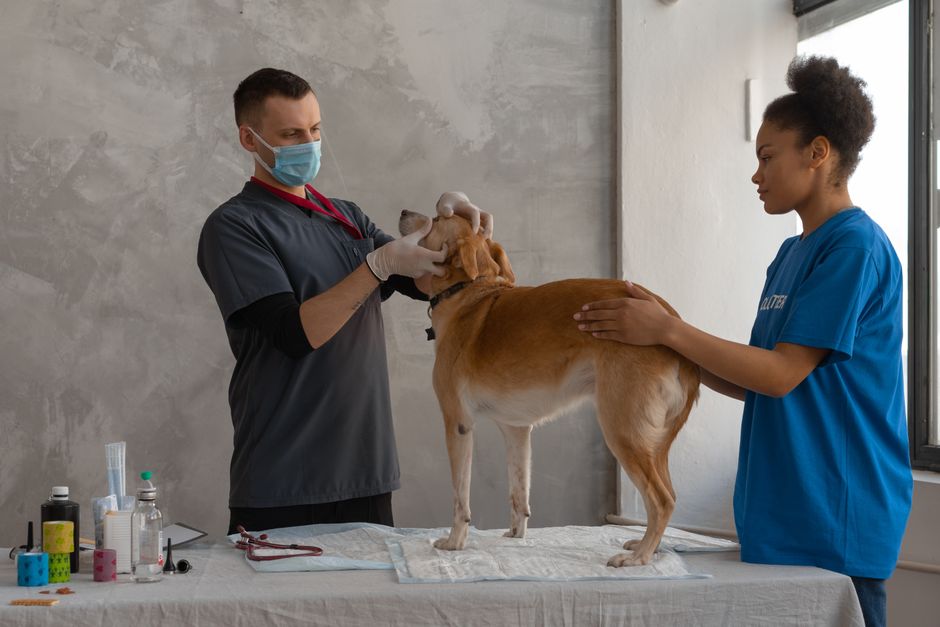
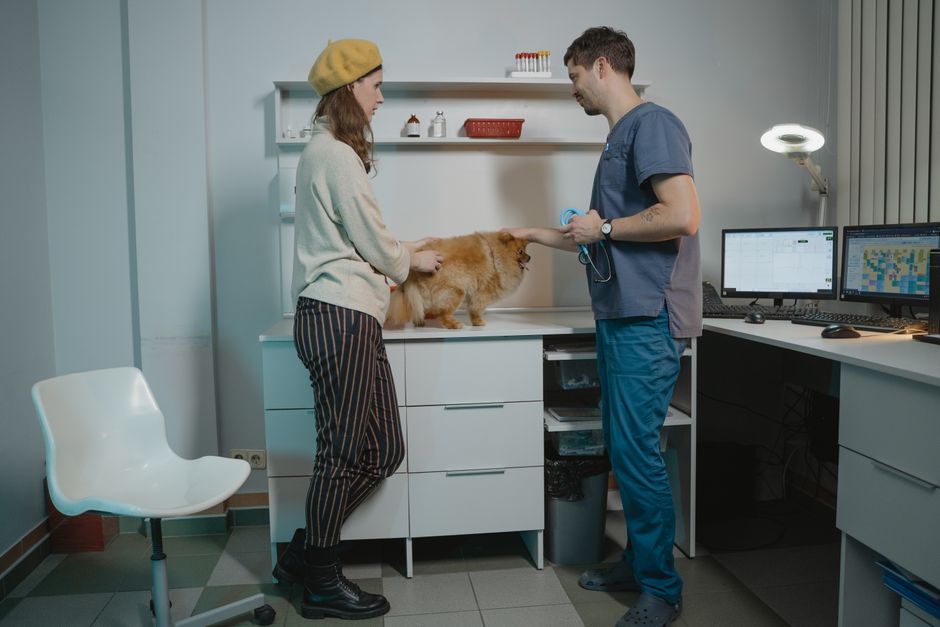
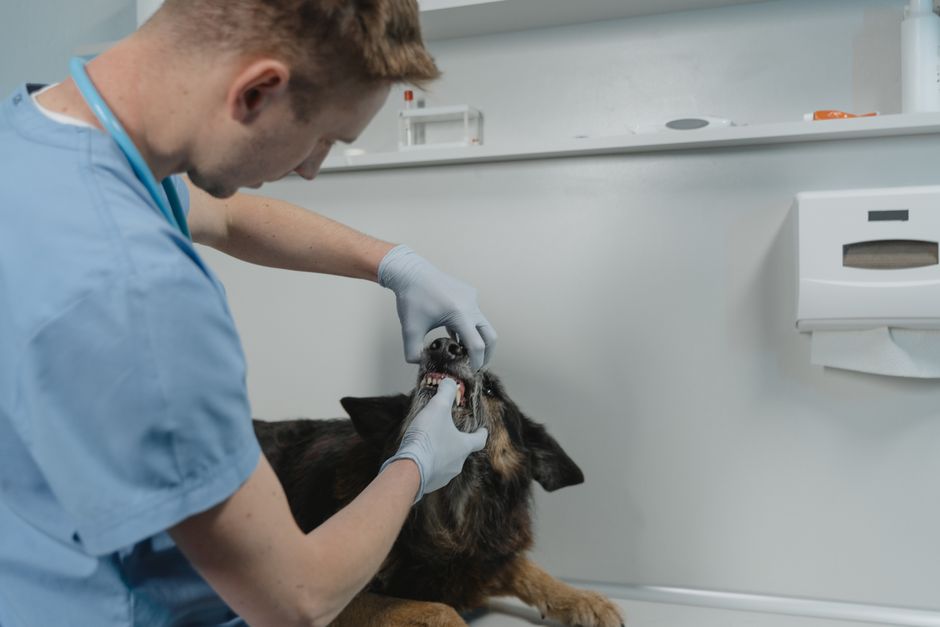
When your pet shows symptoms of illness, timely and professional care is crucial. At Heart & Soul Veterinary Care, we offer comprehensive veterinary diagnostics in Tucker to identify the root cause of your pet’s symptoms. Our veterinarians use in-house diagnostic laboratory services, digital radiology, and thorough physical examinations to quickly determine whether your pet is suffering from an infection, arthritis flare-up, or another winter-related ailment.
Treatment approaches for pet winter illnesses often involve supportive care tailored to your pet’s specific needs. For respiratory infections, our team may prescribe medications to ease congestion or reduce fever, recommend rest, and ensure your pet stays hydrated. In some cases, especially when secondary bacterial infections are present, antibiotics may be necessary. If your pet is experiencing joint pain or stiffness, we might suggest anti-inflammatory medications, physical therapy, or nutritional supplements to support mobility.
For digestive issues, treatment focuses on rehydration, dietary adjustments, and sometimes medications to settle the stomach or address parasites. Skin irritations can be managed with topical treatments, medicated shampoos, or recommendations for home humidification.
Our in-house diagnostic laboratory services for pets allow us to run bloodwork, urinalysis, and other tests right at our Tucker location, so you get answers quickly and your pet gets relief as soon as possible. We always tailor our recommendations to your pet’s individual health and lifestyle, ensuring compassionate, effective care every step of the way.
Practical At-Home Prevention: Keeping Tucker Pets Healthy All Winter
While not every illness can be avoided, there are several steps pet owners in Tucker can take to minimize the risk of pet winter illnesses. Start by maintaining a consistent wellness routine, including regular pet examinations and up-to-date pet vaccination services to protect against common viruses in the area. Keeping your pet’s indoor environment clean and well-ventilated helps reduce the circulation of airborne germs, while using a humidifier may prevent dry skin and respiratory irritation.
Regular grooming removes loose hair and debris, preventing matting and skin issues. For pets prone to arthritis or stiffness, provide warm, soft bedding away from cold drafts, and encourage gentle exercise to keep joints supple. When walking your dog outside, try to avoid icy patches or puddles, and dry them thoroughly after coming indoors.
Monitor your pet’s diet and weight closely, as less activity in winter can lead to weight gain. Any sudden changes in appetite, energy, or bathroom habits should prompt a call to your veterinary team. In addition, limit exposure to unfamiliar animals during outbreaks of kennel cough or flu in the community, and always supervise pets around holiday foods or decorations that could pose a risk.
When Should You Call the Veterinarian? Knowing When Winter Illnesses Need Professional Attention
It’s natural to wonder whether your pet’s symptoms require immediate attention or can be managed at home. As a general rule, you should schedule an appointment with your veterinarian if your pet experiences persistent coughing, sneezing, or nasal discharge lasting more than a few days, especially if it is accompanied by difficulty breathing, lethargy, or loss of appetite.
Other warning signs that warrant a visit include vomiting or diarrhea lasting more than 24 hours, sudden limping or refusal to walk, severe skin redness or open sores, and any signs of pain such as whining, hiding, or aggression. If your pet is very young, elderly, or has a chronic health condition, it’s always safer to err on the side of caution; these pets are more vulnerable to complications from winter illnesses.
For urgent cases, Heart & Soul Veterinary Care offers same-day sick appointments so your pet can be seen promptly if their condition changes suddenly. Our commitment to comprehensive veterinary services in Tucker means you never have to wait long for professional advice or hands-on care. If you’re searching for a "vet near me" who can provide quick answers and compassionate treatment, our team is ready to help during the winter season and beyond.
Your Trusted Partner for Pet Winter Illnesses in Tucker
Winter may bring a few extra health concerns for pets, but with the right knowledge and a proactive approach, you can help your dog or cat stay comfortable and happy all season long. By recognizing early symptoms of sick pets, understanding the unique risks of our local climate, and working closely with a dedicated veterinary team, you give your pet the best chance for a quick recovery and ongoing wellness.
If you have concerns about your pet’s health this winter, or if you notice any of the symptoms discussed above, we encourage you to schedule a comprehensive pet exam at Heart & Soul Veterinary Care. Our veterinarians are committed to providing quality veterinary services near me and personalized care for every pet in Tucker and surrounding communities. To book an appointment or ask questions, call us at (770) 634-8733 or visit our clinic location.
Your pet’s comfort and health are our top priorities. Whether you’re searching for the best veterinarian near me or need advice about pet winter illnesses in Tucker, our team is always here to help. Learn more about our urgent care and same day sick appointments for pets and let us be your partner in every season.
For additional information on pet winter safety, consider reviewing resources from the American Veterinary Medical Association or consult with your local veterinary professionals for personalized advice. If your pet’s symptoms worsen or you have any doubts about their wellbeing, don’t hesitate to reach out—early intervention is the best way to keep your furry family members safe and thriving through the winter months.