Cold Weather Symptoms in Pets: What Tucker Owners Should Watch For


Cold Weather Symptoms in Pets: What Tucker Owners Should Watch For
As winter settles into Tucker and surrounding communities, it’s natural to wonder how dropping temperatures might affect your beloved pet’s health. Just like people, pets can feel the impact of cold weather, sometimes showing subtle signs that something isn’t quite right. At Heart & Soul Veterinary Care, located at 2332 Main Street, Tucker, GA 30084, our veterinary team is here to help you recognize cold weather symptoms in pets, understand what they mean, and know when it’s time to seek professional care.
In this guide, we’ll walk you through the most common cold weather symptoms in pets, discuss why these symptoms happen, and offer practical steps you can take to keep your pet safe and healthy all winter long. We’ll also share when it’s important to schedule an appointment with your veterinarian and how our services for pet examinations in Tucker can help address your concerns early on. Whether you’re searching for a quality vet near me or looking for reliable pet health information tailored to the Tucker area, you’ll find the answers you need right here.
Recognizing Cold Weather Symptoms in Pets
When temperatures begin to dip, pets can exhibit a range of symptoms that might indicate they’re feeling the chill or experiencing winter-related health concerns. Recognizing these signs early is key to protecting your pet’s comfort and well-being. Typical cold weather symptoms in pets include shivering, limping after coming indoors, dry or flaky skin, and a general reluctance to go outside. You may also notice subtle changes, such as your pet sleeping more than usual, seeking out warm spots around the house, or developing a rough or brittle coat.
Other warning signs to watch for are persistent lethargy, changes in appetite, coughing, or nasal discharge. In dogs and cats with arthritis, colder weather can often worsen joint stiffness, making it more difficult for them to get up, climb stairs, or enjoy their usual walks. For breeds with thin coats or small body sizes, the risk of hypothermia and frostbite increases, particularly during early morning or late evening outings.
If your pet seems more anxious, vocal, or clingy during the winter months, it may be their way of signaling discomfort. Pets may also lick or chew at their paws, which can be a response to cold, ice, or salt irritation. Staying alert to these changes helps you intervene early and ensures your pet receives the care they need.
Why Cold Weather Symptoms Occur in Pets
Understanding the reasons behind cold weather symptoms in pets can help you make informed choices about their winter care. Dogs and cats, while resilient, are not immune to the effects of chilly temperatures. Their ability to handle winter depends on factors such as breed, age, health status, and coat thickness.
Short-haired breeds or those with minimal body fat, such as greyhounds or chihuahuas, are more sensitive to cold and may show symptoms like shivering or reluctance to be outside. Older pets and those with existing health conditions, like arthritis or heart disease, often find it harder to regulate body temperature and can experience increased pain or stiffness in their joints. Puppies, kittens, and senior pets are especially vulnerable to the dangers of hypothermia or frostbite due to their limited ability to retain heat.
Environmental factors also play a role. Prolonged exposure to icy pavement, snow, or winter road salts can cause paw irritation and lead to excessive licking or limping. Indoor heating, while necessary, can dry out your pet’s skin and coat, leading to itchiness or flakiness. Changes in routine, such as fewer walks or less outdoor play, may contribute to lethargy or mild depression in some pets.
By understanding these contributing factors, you can better anticipate your pet’s needs and respond proactively to keep them comfortable and safe throughout the winter season.
Professional Treatment and Management at Heart & Soul Veterinary Care
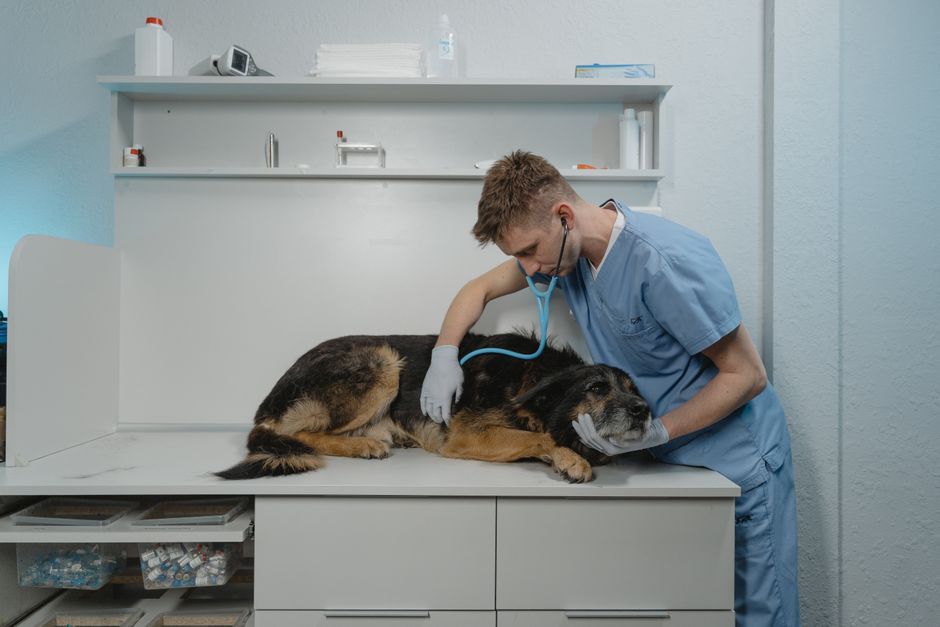
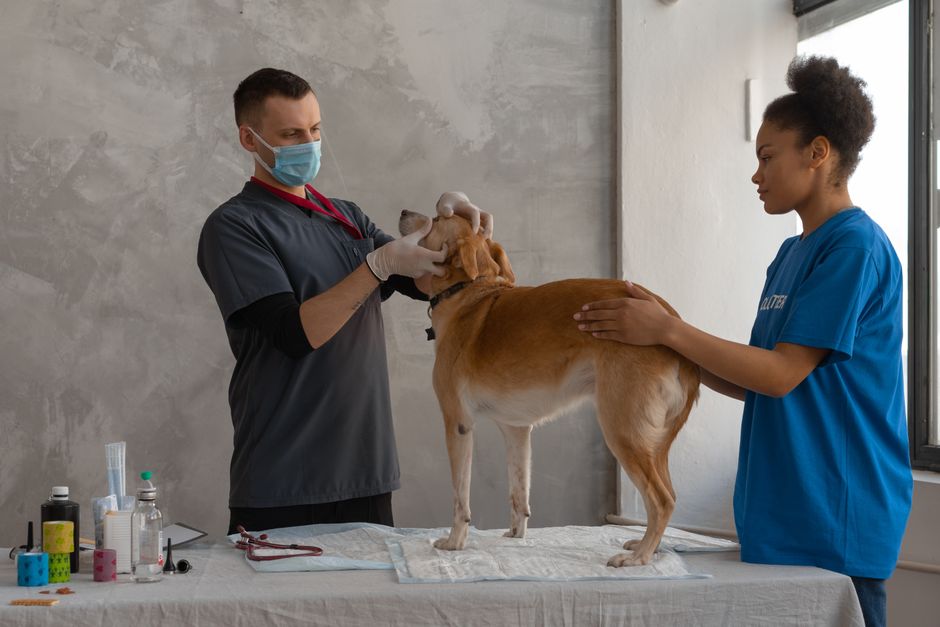
If your pet develops cold weather symptoms that persist or worsen, seeking the expertise of our veterinary team at Heart & Soul Veterinary Care is the best step you can take. During a comprehensive pet exam in Tucker, our veterinarians thoroughly assess your pet’s overall health, paying close attention to their joints, skin, and respiratory system. We use in-house diagnostic tools, including digital radiology and laboratory testing, to pinpoint underlying causes—whether it’s joint inflammation, skin irritation, or an early sign of infection.
Treatment approaches involve targeted therapies based on your pet’s specific diagnosis. For pets with arthritis aggravated by the cold, our veterinarians may recommend prescription pain relief, joint supplements, or changes to their exercise routine. Cases of dry skin may be managed with moisturizing shampoos, dietary adjustments, or omega-3 fatty acid supplements. If frostbite or hypothermia is suspected, immediate medical attention is crucial, and our veterinary professionals are equipped to provide supportive warming, wound care, and monitoring.
Pets experiencing respiratory symptoms, such as coughing or nasal discharge, may require additional diagnostics to rule out infections or chronic conditions exacerbated by winter air. Our team can guide you through the most effective treatment plan and answer your questions about winter care for your pet, ensuring they recover quickly and comfortably.
Preventing Cold Weather Problems: Home Care Tips
While professional care is essential for serious symptoms, many cold weather issues can be managed or prevented with simple home strategies. Keeping your pet warm starts with minimizing their exposure to cold temperatures. Shorten outdoor walks during frigid days, especially for breeds prone to the cold, and invest in pet-safe sweaters or jackets for extra insulation. Always dry your pet’s fur and paws thoroughly after outdoor time to remove moisture, ice, or road salt that can cause irritation.
Maintaining a consistent routine of gentle indoor exercise helps prevent stiffness in older pets and supports healthy weight management. Providing plenty of cozy bedding in draft-free areas gives your pet a safe retreat from chilly floors. Humidifiers can help combat dry indoor air, reducing the risk of flaky skin. Regularly checking your pet’s paws for cracks, redness, or embedded ice is vital, as is using pet-friendly deicers on walkways.
Diet also plays a role in pet health in winter. Ensure your pet has access to fresh water and a balanced diet to support their immune system and skin condition. If your pet is overdue for a wellness examination or you’re concerned about their winter health, scheduling a visit with your veterinarian is always a wise precaution. Early intervention can prevent minor symptoms from becoming more serious health problems.
When to Seek Veterinary Care for Cold Weather Symptoms
Knowing when to bring your pet to our veterinary clinic can make all the difference during the winter months. You should schedule an appointment if your pet is shivering uncontrollably, seems unusually lethargic, or refuses to eat or drink for more than a day. Limping that does not improve after coming indoors, persistent coughing, breathing difficulties, or visible skin discoloration (such as pale or blue-tinted extremities) are also signs that immediate veterinary attention is necessary.
If your pet has a chronic health condition, such as arthritis or heart disease, and you notice their symptoms worsening as temperatures drop, our veterinary professionals can adjust their care plan to help them stay comfortable. For pets with suspected frostbite, hypothermia, or severe paw injuries, prompt evaluation is critical. Our pet diagnostic laboratory services in Tucker are available to quickly identify underlying issues and guide appropriate treatment.
Remember, you are the best judge of your pet’s normal behavior. If you sense something is off or if symptoms persist despite home care, contacting our team at Heart & Soul Veterinary Care is always the safest choice.
Keeping Your Pet Safe This Winter: Next Steps
Winter in Tucker brings unique challenges for pets, but with a watchful eye and proactive care, you can help your furry companion thrive even on the chilliest days. By recognizing cold weather symptoms in pets early, understanding what causes them, and taking action at home, you set the stage for a healthy season. Our veterinary team at Heart & Soul Veterinary Care is committed to supporting pet health in winter with compassionate, expert care at every step.
If you notice changes in your pet’s behavior, appetite, or overall comfort, don’t hesitate to reach out. We encourage you to schedule a wellness examination or sick visit if you have concerns about your pet this season. For trusted advice and thorough care from a vet near me you can rely on, contact our team at 2332 Main Street, Tucker, GA 30084 or call (770) 634-8733. You can also explore our wellness exams and pet checkups or learn more about our pet diagnostic laboratory services in Tucker for comprehensive support.
Your pet’s comfort and safety are our highest priorities, and we’re always here to help you navigate the winter months with confidence and peace of mind.
Disclaimer: This blog is for informational purposes only and is not a substitute for professional veterinary advice. If your pet is experiencing urgent symptoms or you are unsure if they need care, please contact a veterinarian immediately. For more information on winter pet safety, consider visiting American Veterinary Medical Association’s winter pet care tips.